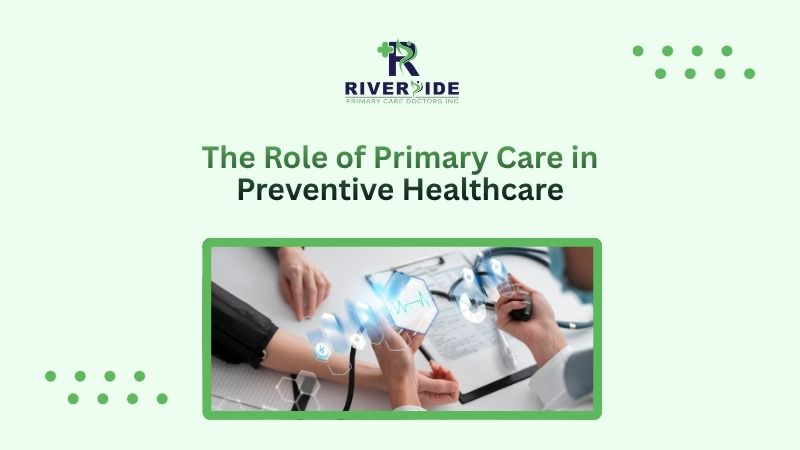
Preventive healthcare is one of the most effective ways to protect your long-term health, reduce the risk of chronic diseases, and improve your overall quality of life. At the center of this proactive approach is primary care, the foundation of a healthy healthcare journey.
A trusted primary care provider (PCP) does far more than treat illnesses. They help detect health concerns early, recommend preventive screenings, manage risk factors, provide personalized wellness guidance, and coordinate your healthcare throughout every stage of life.
Whether you’re scheduling an annual wellness visit, managing chronic conditions, or simply looking to stay healthy, understanding the role of primary care in preventive healthcare can help you make informed decisions that benefit your health for years to come.
What Is Preventive Healthcare?
Preventive healthcare refers to medical services and healthy lifestyle strategies designed to prevent diseases before they develop, identify health conditions in their earliest stages, and reduce complications through early intervention.
Instead of waiting until symptoms appear, preventive care focuses on maintaining health through regular monitoring and personalized risk assessment.
Preventive healthcare includes:
- Annual wellness exams
- Routine physical examinations
- Health screenings
- Immunizations and vaccinations
- Blood pressure monitoring
- Cholesterol testing
- Diabetes screening
- Cancer screenings
- Lifestyle counseling
- Mental health evaluations
- Nutrition and weight management
- Smoking cessation support
Early prevention often leads to better treatment outcomes, lower healthcare costs, and improved longevity.
What Is Primary Care?
Primary care is the first point of contact for most healthcare needs. A primary care provider develops a long-term relationship with patients and delivers comprehensive, continuous, and coordinated medical care.
Primary care physicians help patients:
- Prevent disease
- Diagnose new illnesses
- Manage chronic conditions
- Coordinate specialist care
- Promote healthy lifestyle habits
- Monitor overall wellness throughout life
Rather than focusing on one organ system or condition, primary care considers the whole person, including physical, emotional, and preventive health.
Why Preventive Healthcare Matters
Many serious illnesses develop gradually and may not cause symptoms during their early stages. Regular preventive care helps identify these conditions before they become more difficult or expensive to treat.
Benefits of preventive healthcare include:
- Earlier disease detection
- Reduced risk of complications
- Better management of chronic diseases
- Lower healthcare expenses
- Improved life expectancy
- Better quality of life
- Reduced hospitalizations
- Personalized health recommendations
- Greater peace of mind
Small preventive steps today can significantly impact your long-term health.
The Essential Role of Primary Care in Preventive Healthcare
1. Comprehensive Annual Wellness Visits
Routine wellness visits allow primary care providers to evaluate your overall health and identify changes before they become serious.
These appointments commonly include:
- Medical history review
- Medication assessment
- Vital signs evaluation
- Physical examination
- Preventive screening recommendations
- Mental health assessment
- Lifestyle discussions
- Family history updates
Annual visits also establish health trends that help detect subtle changes over time.
2. Early Detection Through Preventive Screenings
One of the greatest advantages of primary care is identifying diseases before symptoms develop.
Depending on age, gender, family history, and risk factors, recommended screenings may include:
| Preventive Screening | Purpose |
|---|---|
| Blood pressure screening | Detect hypertension |
| Cholesterol testing | Identify cardiovascular risk |
| Blood glucose testing | Screen for diabetes |
| Colon cancer screening | Detect colorectal cancer early |
| Mammograms | Screen for breast cancer |
| Cervical cancer screening | Detect abnormal cervical cells |
| Prostate screening | Evaluate prostate health when appropriate |
| Osteoporosis screening | Assess bone health |
| Depression screening | Identify mental health concerns |
| Vision and hearing exams | Detect sensory changes |
Early diagnosis often leads to simpler treatment and improved outcomes.
3. Vaccinations and Immunizations
Vaccinations remain one of the safest and most effective preventive healthcare tools.
Primary care providers recommend age-appropriate vaccines, including:
- Influenza vaccine
- COVID-19 vaccine
- Tetanus booster
- Shingles vaccine
- Pneumococcal vaccine
- HPV vaccine
- Hepatitis vaccines
- Childhood immunizations
Keeping vaccinations current helps protect both individuals and communities.
4. Chronic Disease Prevention
Many chronic diseases develop slowly over several years.
Primary care providers help reduce your risk for conditions such as:
- Heart disease
- High blood pressure
- Type 2 diabetes
- Obesity
- Stroke
- Chronic kidney disease
- High cholesterol
- Osteoporosis
They accomplish this through regular monitoring, risk assessment, and early intervention.
5. Personalized Lifestyle Counseling
Medical care extends beyond prescriptions.
Primary care physicians provide individualized guidance on:
Nutrition
- Healthy eating habits
- Portion control
- Weight management
- Heart-healthy diets
- Diabetes-friendly nutrition
Physical Activity
- Exercise recommendations
- Safe activity plans
- Strength training guidance
- Flexibility exercises
Sleep
- Sleep hygiene
- Managing insomnia
- Healthy sleep routines
Stress Management
- Relaxation techniques
- Anxiety management
- Burnout prevention
- Mindfulness practices
These lifestyle changes significantly reduce long-term disease risk.
6. Mental and Emotional Health Support
Preventive healthcare includes mental wellness.
Primary care providers routinely screen for:
- Anxiety
- Depression
- Stress-related disorders
- Sleep disorders
- Substance use concerns
When necessary, they coordinate referrals to behavioral health specialists while continuing overall care management.
7. Coordinated Healthcare Across Specialists
Healthcare becomes more effective when providers communicate.
Primary care physicians coordinate:
- Specialist referrals
- Diagnostic testing
- Medication management
- Hospital follow-up
- Preventive care planning
This reduces duplicated testing, conflicting treatments, and fragmented care.
How Primary Care Reduces Long-Term Health Risks
Consistent preventive care can lower the risk of developing many serious medical conditions.
Common conditions that benefit from preventive management include:
- Hypertension
- High cholesterol
- Diabetes
- Coronary artery disease
- Obesity
- Asthma
- COPD
- Osteoarthritis
- Osteoporosis
- Chronic kidney disease
Regular monitoring allows providers to intervene before complications occur.
Preventive Services Across Every Stage of Life
Children
- Growth monitoring
- Developmental screenings
- Immunizations
- Vision and hearing checks
Young Adults
- Mental health screenings
- STI testing
- Lifestyle counseling
- Vaccinations
Adults
- Blood pressure checks
- Cholesterol testing
- Diabetes screening
- Cancer prevention
Older Adults
- Medicare Annual Wellness Visits
- Fall risk assessments
- Bone density testing
- Cognitive evaluations
- Medication reviews
Preventive care evolves with age, ensuring recommendations remain appropriate throughout life.
Primary Care vs. Urgent Care: What’s the Difference?
| Primary Care | Urgent Care |
|---|---|
| Focuses on long-term health | Treats immediate illnesses and injuries |
| Provides preventive care | Addresses short-term medical needs |
| Manages chronic diseases | Does not typically provide ongoing management |
| Coordinates specialist referrals | Limited follow-up care |
| Builds long-term patient relationships | Episodic care only |
| Offers wellness planning | Focuses on acute conditions |
Urgent care is valuable for unexpected medical issues, while primary care is essential for maintaining lifelong health.
Signs It’s Time to Schedule a Preventive Care Visit
Consider scheduling an appointment if you:
- Haven’t had a physical in over a year
- Need routine vaccinations
- Have a family history of chronic disease
- Notice changes in weight or blood pressure
- Experience ongoing fatigue
- Need preventive screenings
- Want guidance on improving your lifestyle
- Are managing multiple medications
Even if you feel healthy, routine preventive visits remain an important part of staying well.
Practical Ways to Get More from Your Primary Care Visits
Use this checklist before your appointment:
✔ Bring an updated medication list
✔ Know your family medical history
✔ Prepare questions in advance
✔ Track recent symptoms or health changes
✔ Discuss lifestyle goals
✔ Ask which screenings you’re due for
✔ Review vaccination status
✔ Schedule recommended follow-up appointments
Being prepared helps make each visit more productive.
Common Preventive Healthcare Services Offered by Primary Care
- Annual physical exams
- Medicare Annual Wellness Visits
- Preventive health screenings
- Chronic disease management
- Women’s health services
- Men’s health evaluations
- Pediatric wellness care
- Senior healthcare
- Vaccinations
- Weight management
- Nutritional counseling
- Smoking cessation programs
- Mental health screening
- Medication management
- Laboratory testing
- Health education
Key Takeaways
- Primary care is the foundation of preventive healthcare.
- Routine checkups help detect health issues before symptoms develop.
- Preventive screenings improve early diagnosis and treatment outcomes.
- Vaccinations remain one of the most effective disease prevention tools.
- Personalized lifestyle counseling reduces the risk of chronic illness.
- Long-term relationships with a primary care provider improve continuity of care and overall health outcomes.
FAQs
How often should I see my primary care provider?
Most adults should schedule a preventive wellness visit once a year. However, individuals with chronic conditions or higher health risks may need more frequent follow-up appointments.
What is the difference between preventive care and primary care?
Preventive care focuses on avoiding disease through screenings, vaccinations, and wellness counseling. Primary care is the ongoing medical relationship that delivers preventive services while also diagnosing and treating illnesses, managing chronic conditions, and coordinating care.
Does preventive healthcare really reduce healthcare costs?
Yes. Detecting diseases early often reduces the need for more extensive treatments, emergency care, and hospitalizations, leading to lower healthcare expenses over time.
Can a primary care physician help prevent chronic diseases?
Absolutely. Primary care providers identify risk factors, monitor health trends, recommend lifestyle changes, prescribe preventive medications when appropriate, and detect conditions early to reduce the likelihood of serious complications.
What preventive screenings do adults commonly need?
Common screenings include blood pressure checks, cholesterol testing, diabetes screening, colorectal cancer screening, breast cancer screening, cervical cancer screening, osteoporosis screening, depression screening, and age-appropriate immunizations. Recommendations vary based on age, sex, family history, and individual risk factors.
Is preventive care covered by insurance?
Many health insurance plans cover recommended preventive services, such as annual wellness visits, routine screenings, and certain vaccinations, without additional out-of-pocket costs when provided by an in-network provider. Coverage can vary, so it’s best to review your specific insurance benefits.
Conclusion
Preventive healthcare is one of the most effective investments you can make in your long-term well-being, and primary care is the cornerstone of that effort. Through routine wellness visits, personalized risk assessments, recommended screenings, immunizations, chronic disease prevention, and lifestyle guidance, a primary care provider helps you stay healthier, not just when you’re sick, but every day.
By building an ongoing relationship with a trusted healthcare professional, you gain a partner who understands your medical history, identifies potential concerns early, and supports informed decisions throughout every stage of life.
Take Charge of Your Health with Riverside Primary Care Doctors Inc
Your health deserves proactive, personalized care, not just treatment when you’re sick. At Riverside Primary Care Doctors Inc, we are proud to provide comprehensive primary care and preventive healthcare services for individuals and families throughout Riverside, CA. From annual wellness exams and preventive screenings to chronic disease management and personalized health guidance, our compassionate team is committed to helping you achieve better health at every stage of life.
Don’t wait for symptoms to appear. Schedule your preventive care visit today and take the first step toward a healthier future. Whether you’re due for an annual physical, need routine health screenings, or are looking for a trusted primary care provider, Riverside Primary Care Doctors Inc is here to support your long-term wellness with compassionate, patient-centered care in Riverside, California.