
Adult Physical
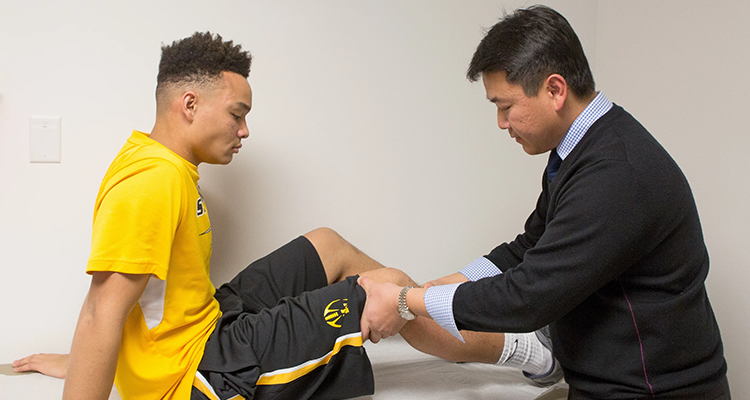
If it’s been a while since your last checkup, or you’re not sure what an adult physical actually involves, you’re not alone, it’s one of the most misunderstood visits in primary care. An adult physical isn’t just a form your employer or insurance company requires you to fill out. It’s a structured, head-to-toe evaluation built to catch problems while they’re still easy to treat, not after they’ve become emergencies.
At Riverside Primary Care Doctors Inc, your physical exam includes a full review of your medical and family history, vital sign measurements (blood pressure, heart rate, temperature, weight/BMI), a hands-on physical assessment, and screening recommendations based on your age, sex, and personal risk factors, following the same USPSTF (U.S. Preventive Services Task Force) guidelines that inform preventive care nationwide. You’ll leave with a clear picture of where your health stands and what, if anything, needs follow-up.
Why Annual Physicals Matter (Expanded, With Specificity)
Most of the conditions a physical exam is designed to catch, high blood pressure, prediabetes, high cholesterol, early kidney or thyroid dysfunction, produce no symptoms in their early stages. People don’t come in because they feel something is wrong; they come in because the bloodwork or blood pressure cuff found it first.
Here’s what that looks like in practice:
- High blood pressure is often called a “silent” condition because it can run elevated for years without headaches, dizziness, or any warning sign — while quietly raising your risk of heart attack and stroke. A blood pressure reading at your physical is often the first time it’s caught.
- Prediabetes and early Type 2 diabetes are typically flagged through a fasting glucose or A1C test ordered as part of routine bloodwork, well before symptoms like fatigue or increased thirst show up.
- Cholesterol imbalances don’t cause noticeable symptoms at all — a lipid panel during your physical is usually the only way to know your numbers.
If you’re managing an existing condition — diabetes, hypertension, thyroid disease, or anything else — your annual physical also functions as a checkpoint. Your provider compares this year’s labs, weight, and vitals against last year’s, so changes get caught as trends instead of surprises. If you’re generally healthy, the visit still serves a purpose: confirming that, and catching anything just starting to develop.

What Your Visit Covers
1. What is included in an Adult Physical?
An Adult Physical typically includes a review of your medical history, vital signs check (like blood pressure and heart rate), general wellness evaluation, and guidance on maintaining long-term health.
2. How often should I schedule an Adult Physical?
It's recommended to have an Adult Physical once a year, especially to monitor ongoing health and catch any issues early.
3. Is an Adult Physical covered by insurance?
Yes, most insurance plans cover annual physicals under preventive care. Still, it’s always best to confirm your benefits directly with your insurance provider.